
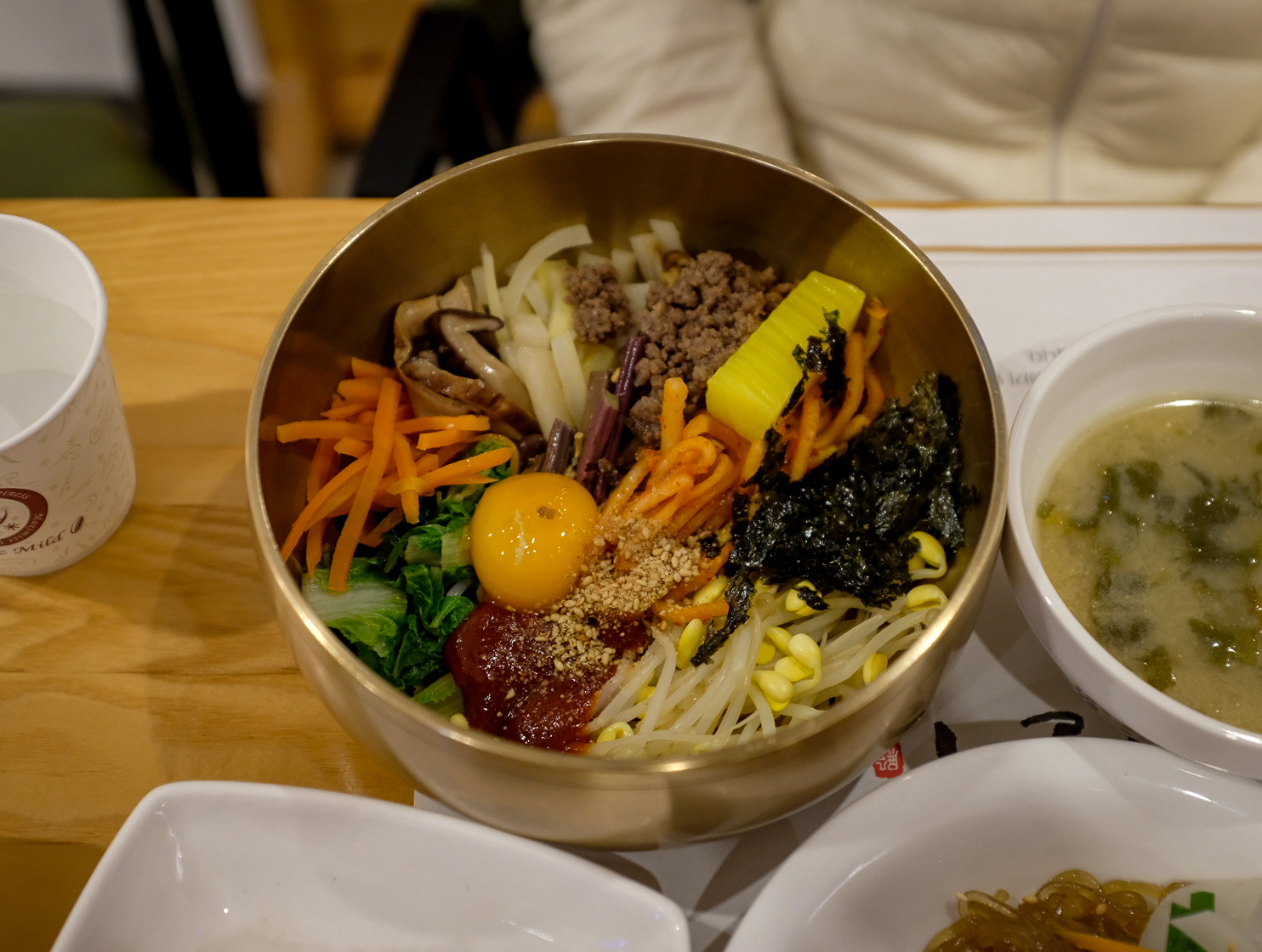
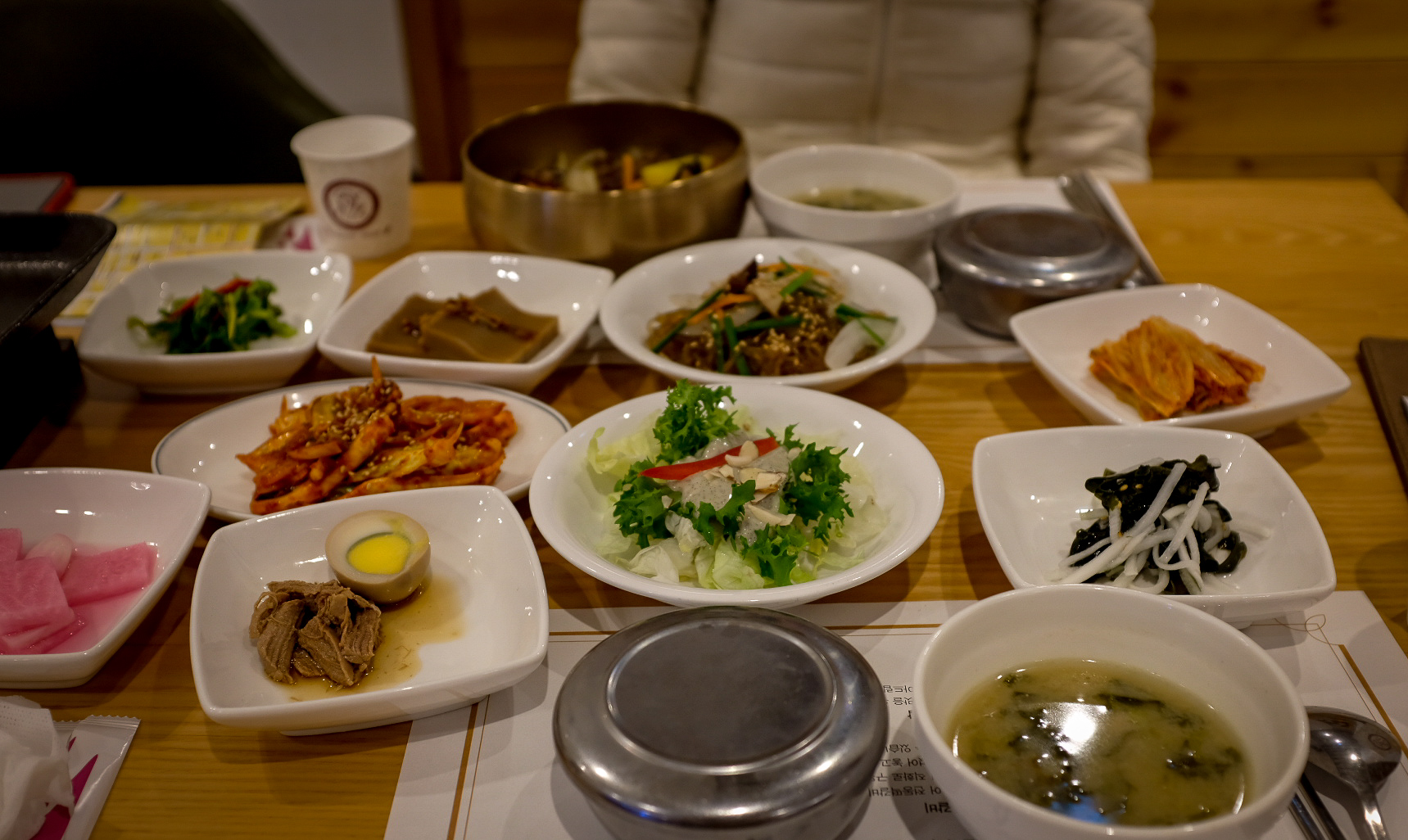
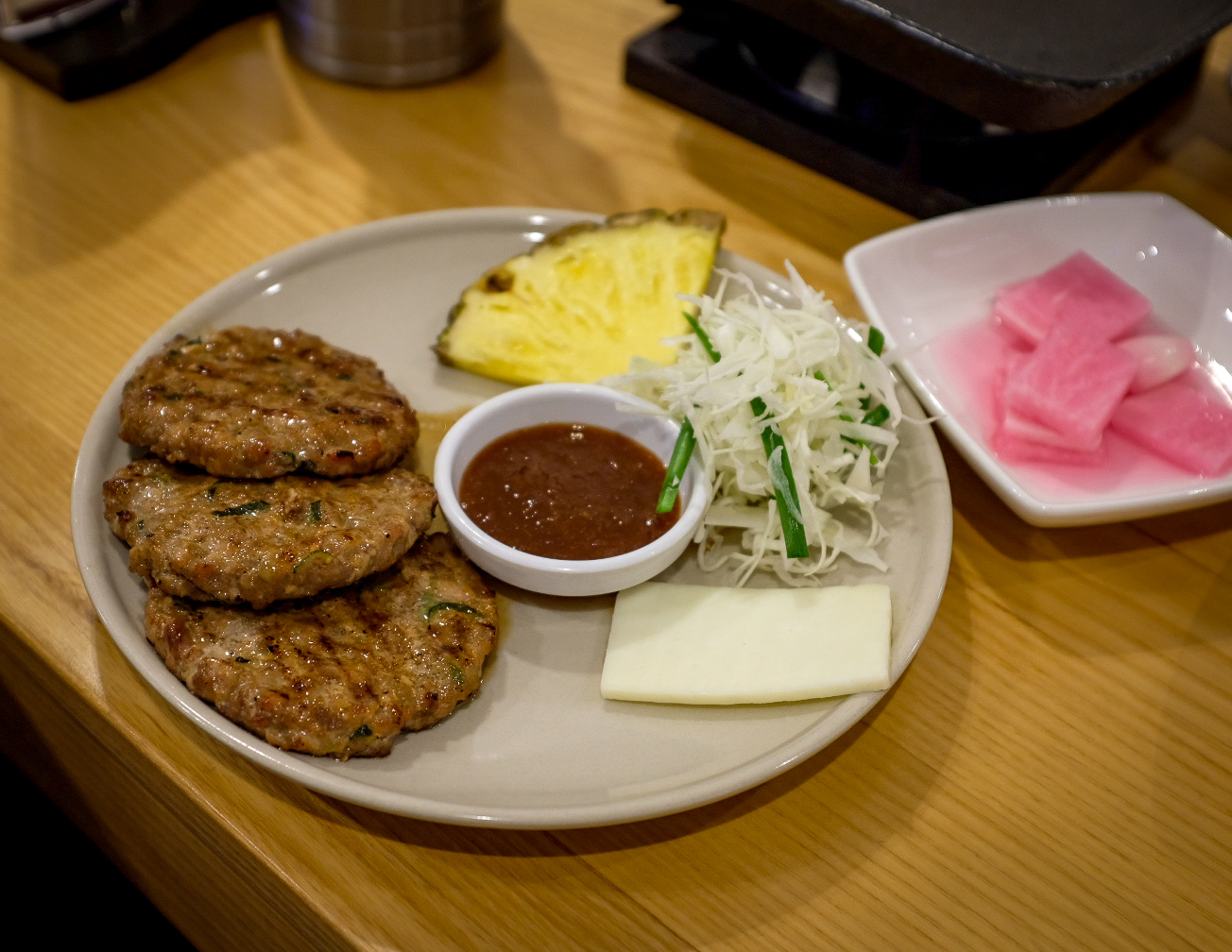
This is the second time I have been to Jeonju – the city known as the food capital of Korea. Last time, I had an easy time because a local friend gave us the guide of the tourist places, but this time, we had to make a rough itinerary.
It was pretty tough because I had a tutoring class on early Saturday afternoon, and my friend from Gangwon province had to go to work on Monday. It would take her more than four hours and three trains to get back home! Also, there are droves of people going back to Seoul on a Sunday night for work the next day. Don’t reserve a KTX ticket at the last minute like we did, folks. We had to get the 4pm train on Sunday. Less than 24 hours in Jeonju!
But we went through the hassle because we knew we’d love the trip. Specifically, the food.
Two meals..
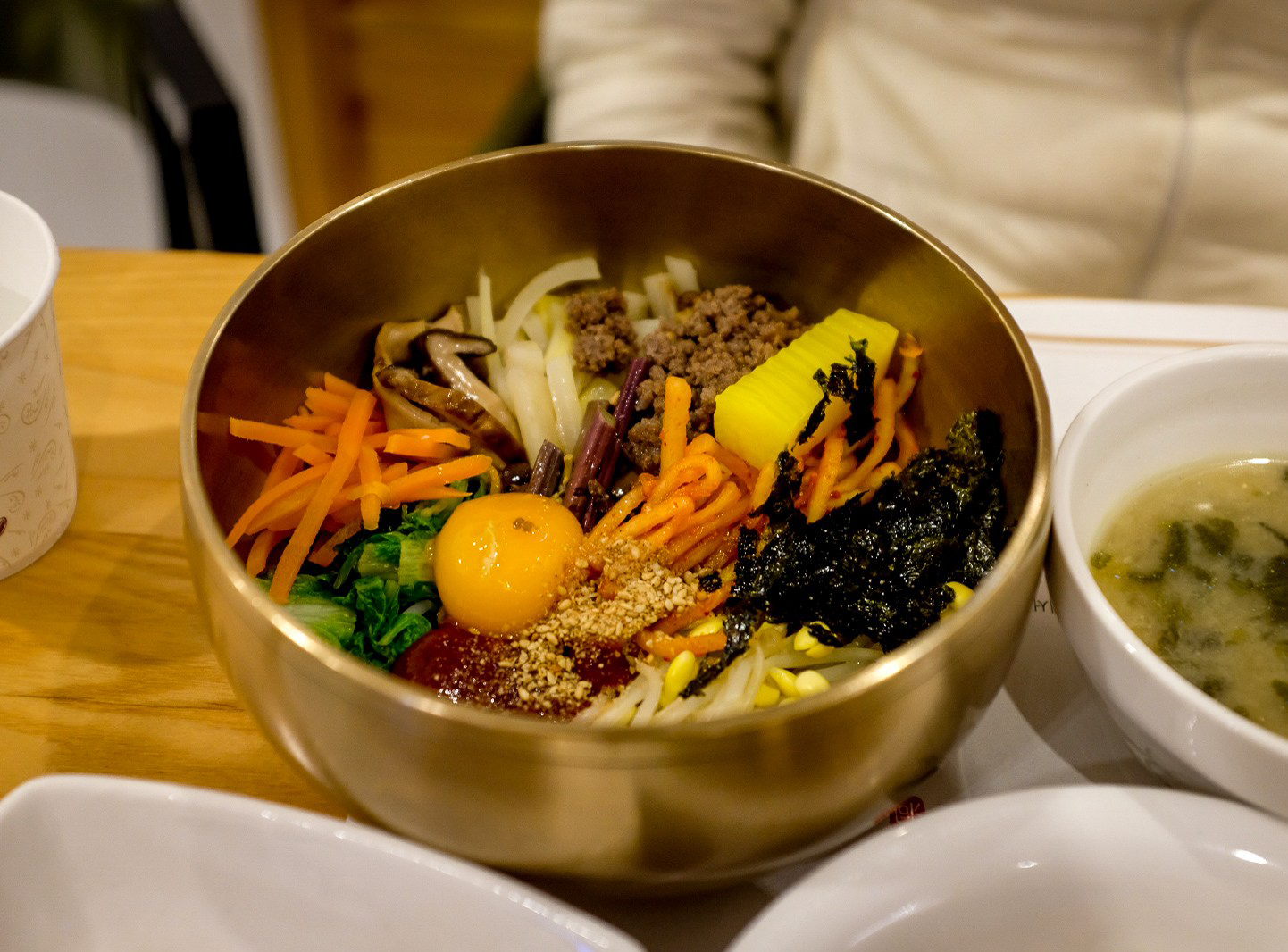
For those who don’t know, Bibimbap is a bowl of rice with various seasoned vegetables, raw egg, sliced meat and chili pepper sauce. It’s pretty neat because you get to eat different ingredients every spoonful (you mix the entire thing before you eat). Also, it is very difficult to go wrong with this dish, because there is nothing to go wrong. Aside from getting fresh ingredients, what can you screw up? The chili pepper sauce that is at the very least sold in every and any self-respecting supermarket in Korea?
Bibimbap is, of course, made in any region of Korea including Seoul, but natives still make a point to eat it in Jeonju as the city of origin. And it still retains its delicious reputation! I personally think it’s the chili pepper sauce. I might have also had an inside tip from a friend whose parents owned a Jeonju Bibimbap restaurant.
Additionally, you might also notice when you eat in Korea that some restaurants have written ‘jeongsik’ alongside a main menu. That’s the assorted side-dishes, and they aren’t that expensive in comparison to the varieties of tasty food you get. Maybe you’d pay about 20~30% more? If you want an example, look at the top right photo at the top of this post.
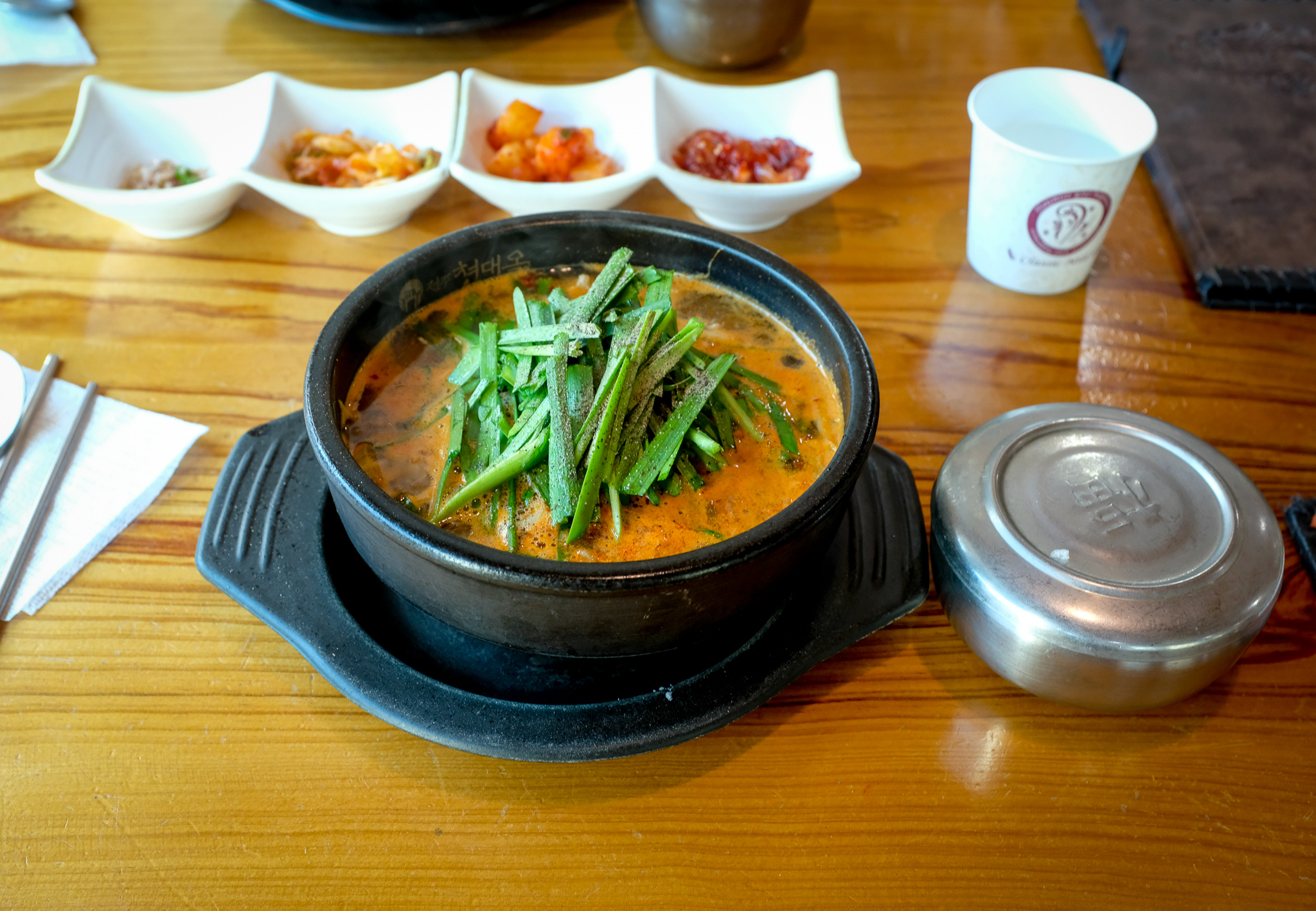
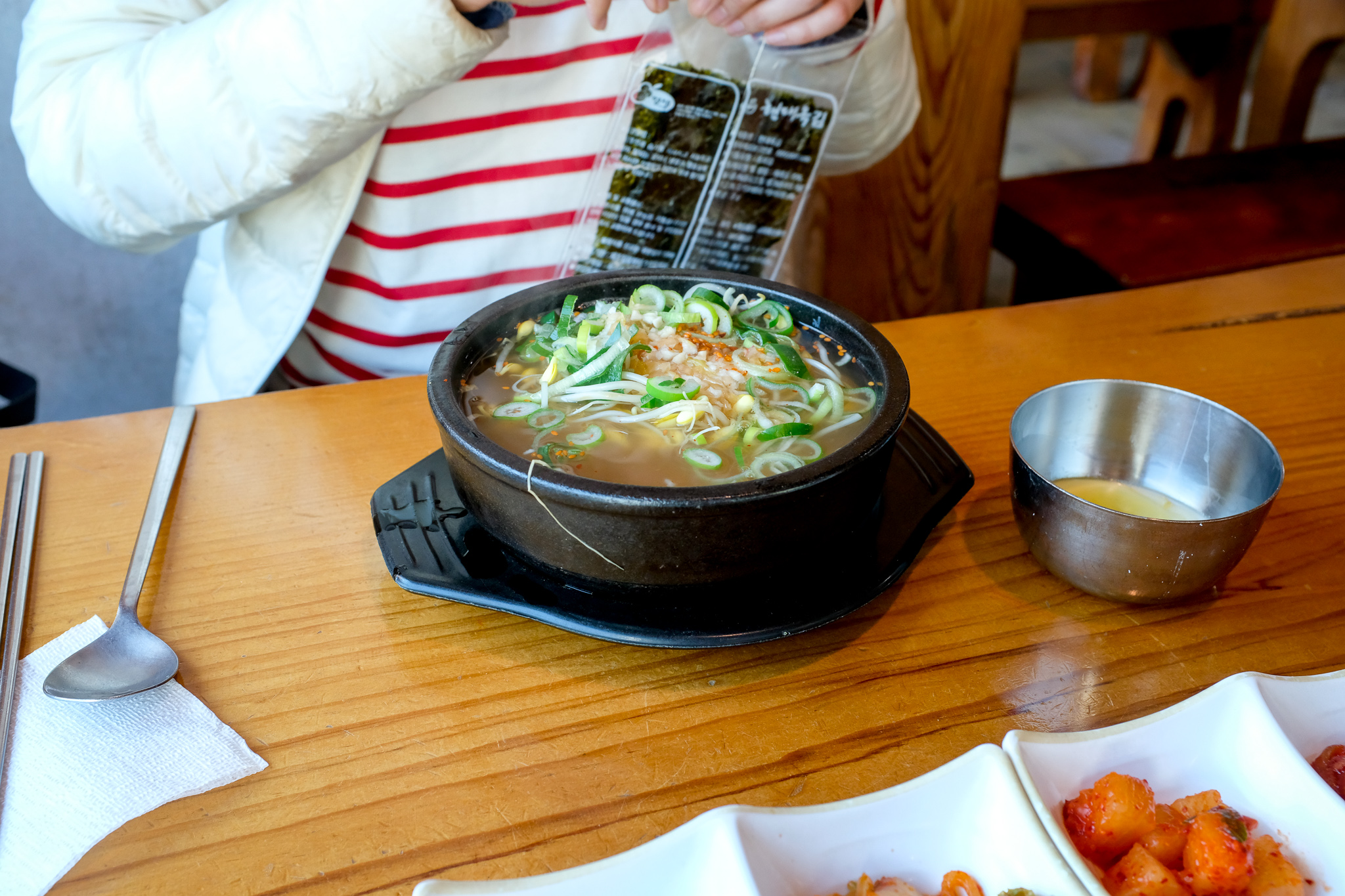
Now, if you have traveled to Korea once or twice, chances are you have already eaten Bibimbap. Don’t worry though, because there is plenty of other food in Jeonju. We stayed in a room at a traditional house in Jeonju Hanok Village (this will be a separate post), where the owner was very helpful in advising us where to go for what. Bean sprout rice and soup, grilled short rib patties, makgeolli (raw rice wine), chopped noodles – the list was endless.
For late Sunday lunch, we ducked into a nearby restaurant that we had staked out before, on account of the very long line at lunchtime. It served bean sprout rice and soup, spicy pork rice and soup and makgeolli. Yay! The restaurant is called Hyundaiok (unrelated to Hyundai Motors, they just share the same meaning, ‘modern’), and can be found in Seoul as well.
..and a lot of snacks.
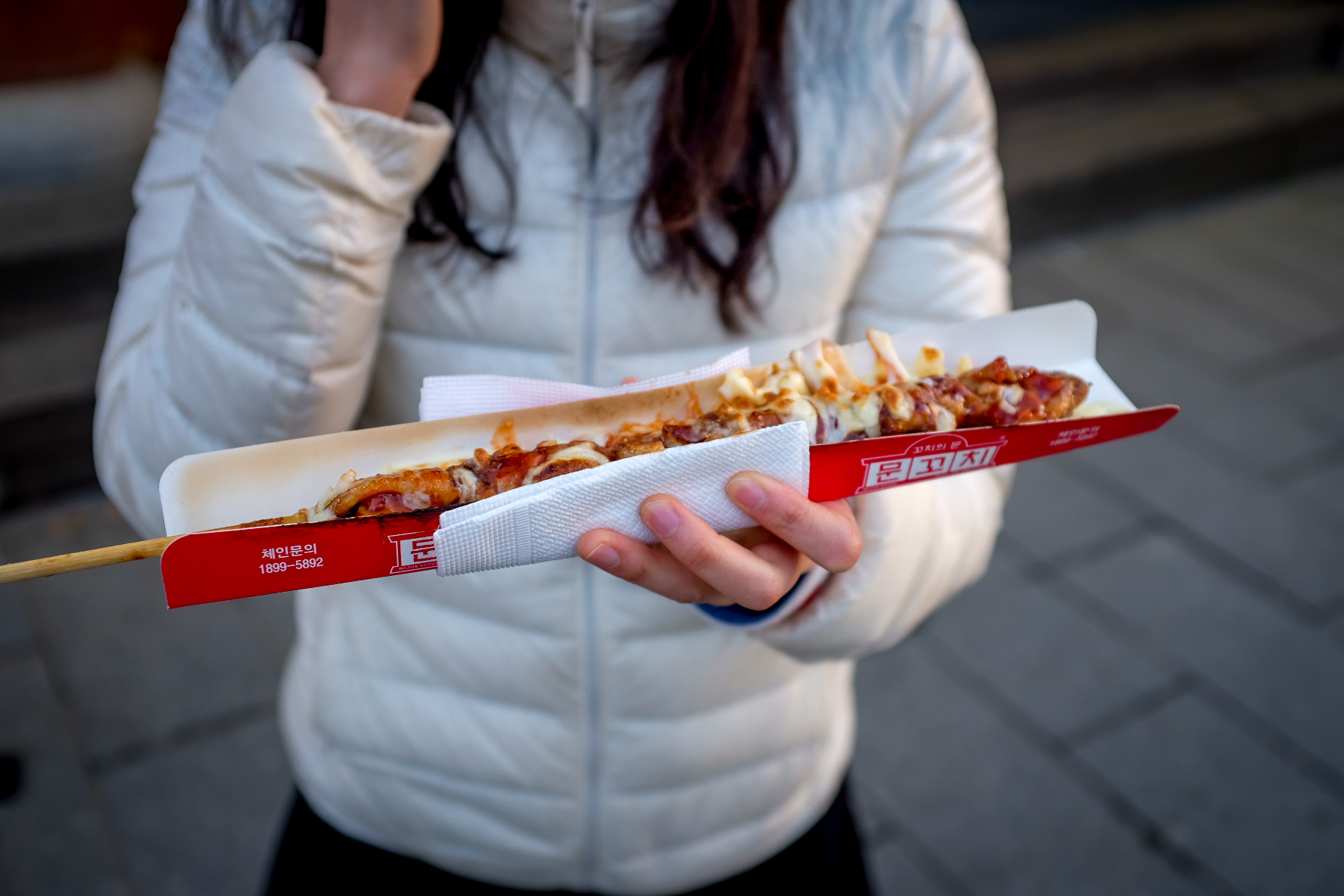
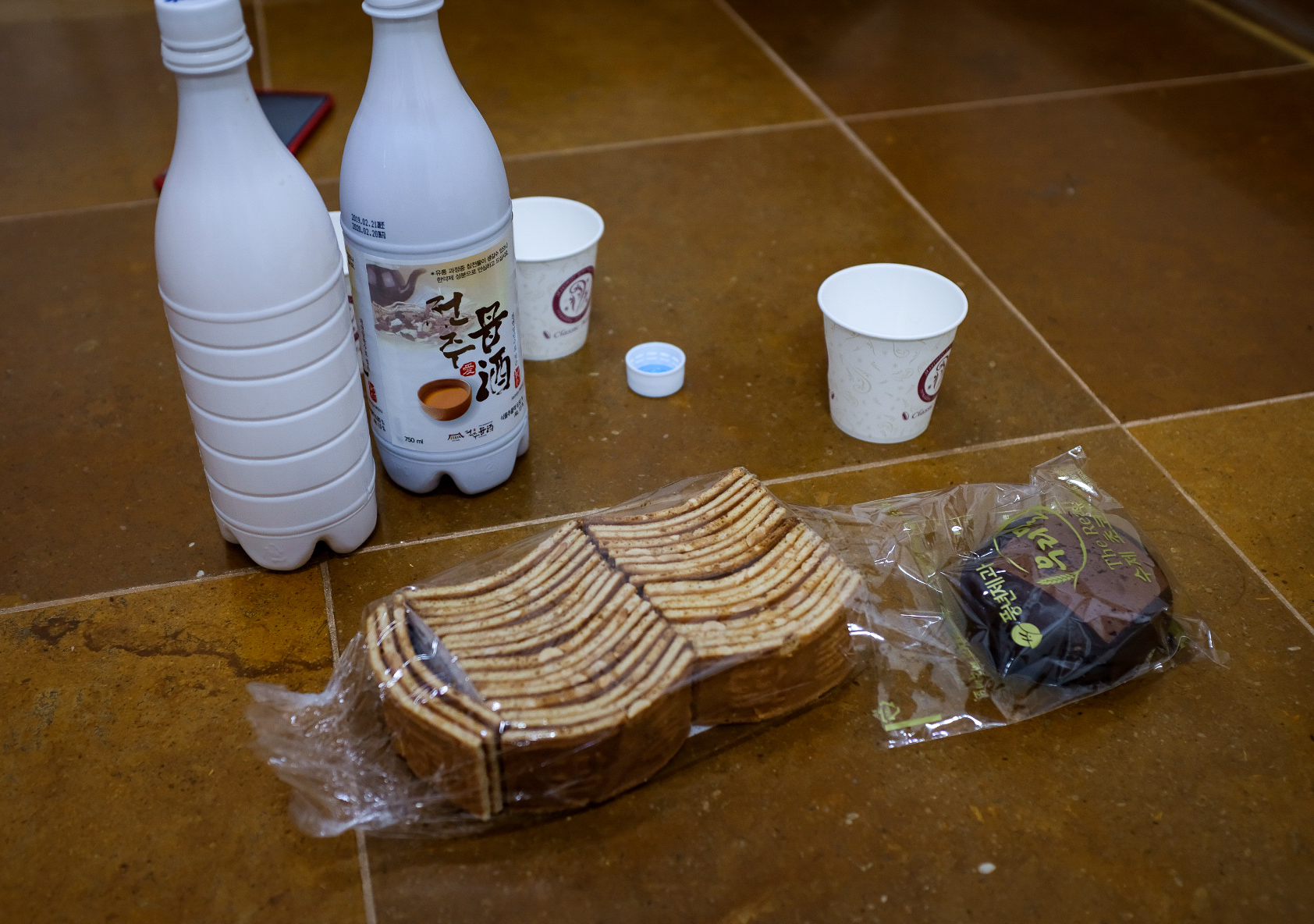
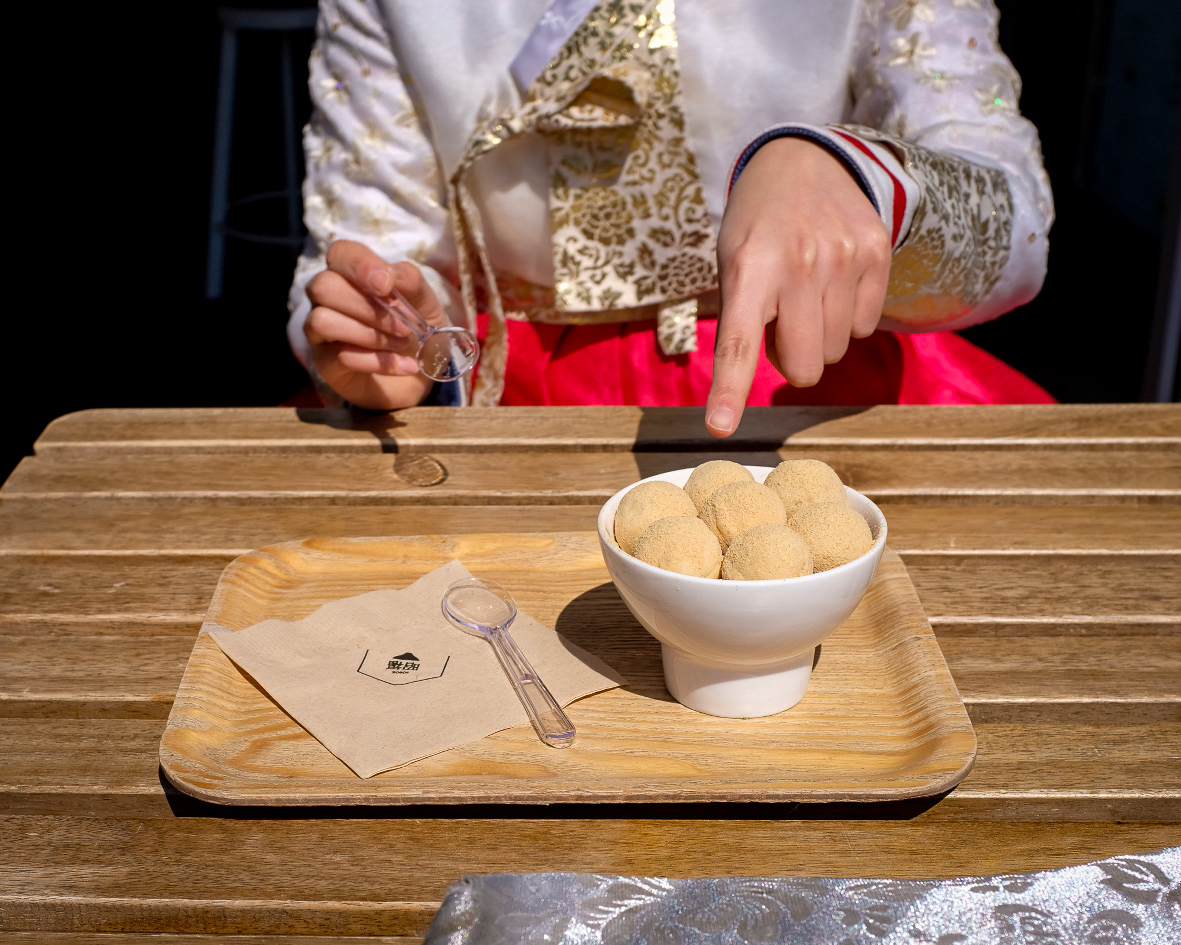
Alright, so that was what we ate for dinner and lunch. What about the snacks? Well, this is where you might be strapped for time, because there is no end to them. Most of them (actually, just excepting one) were tasty, and several were unique to Jeonju. Here’s what we ate.
- To go: spicy chicken skewer topped with cheese, sweet and sour chicken dipped in soy sauce, entire deep-fried squid that comes in three flavors (we chose garlic onion), shrimp dumplings
- Dessert: rounded and frozen rice cake stuck together with honey and nuts – you can either have injeolmi (rice cake coated in bean flour) or green tea flavor. There is also ice cream with couque d’asse cone.
- Baked goods: hand-made choco pie and traditional peanut cookie/pancake
- Alcohol: Jeonju moju, or Jeonju ‘mother’s alcohol’, which has a slight cinnamon tang and a 1.5 percent of alcohol. Legend tells us that a mother was so worried for her perpetually drinking son, she mixed makgeolli and various medicinal stuff to give to him. Heh heh. We also drank makgeolli, of course.
The snacks were surprisingly not mind-bogglingly expensive, considering we were in the heart of a tourist spot. The chicken skewer cost 4,000won (US$4), and the deep-fried squid cost 10,000won (US$9), but the latter was definitely meant for two people. Incidentally, I didn’t find the chicken skewer very appetizing (the meat wasn’t really tender), but that might be because I took a long time to eat it in the cold. The squid though, I’m going to Jeonju just to eat that again.
I would also like to give a shout out to Daurang(다우랑), a snack place that sells dumplings. Think of a Baskin Robbins, but with dumplings you heat in the microwave. It’s located across from Gyeonggijeon Hall, a big Korean temple, in Hanok Village. The place is also inside a Hanok, which makes it pretty, but also has very very very few seats, which makes it hard to sit inside. If you don’t want to test your luck, there are benches across the street.
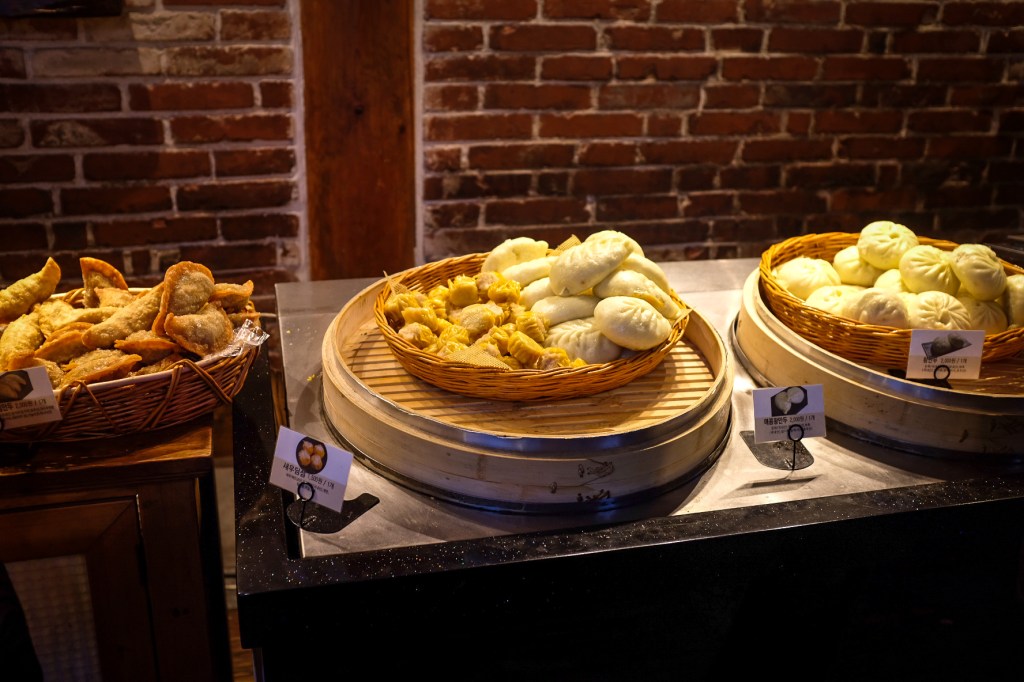
So that’s it for food in Jeonju. For my first blog post, I think I did pretty well! Jeonju is still primarily a tourist hotspot for natives, but I think foreigners would also be OK there. Koreans have better English conversational skills than they think. Additionally, there is body language to fall back on.
So if you are feeling adventurous, have a deep appreciation for food, or like traditional architecture, don’t just stay inside Seoul. Take the 2 hr train ride south.
 Jamie on the move
One thought on “Busy eating in Jeonju Korea”